Posts

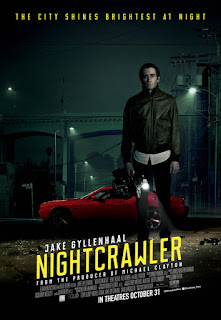
Movie Research: Nightcrawler
Image
 Hello, my name is Jose Retana. What conventions of this genre did I see in this movie? There is a use of establishing shots in the beginning of the film, where they're showing the setting. There's a large use of medium shots and medium close ups as well. But what's different here and is characteristic of psychological thrillers is the use of close ups. For most of the film, there's a lack of diegetic sound. It's really only at the beginning where we notice diegetic sound, and this lack of use builds to the suspense in this psychological thriller. Of course, use of sets and acting is prevalent during this film.  What conventions did I like? I don't like most of the conventions of this film. I do, however, love the use of acting and sets in this film. The set is reflects the theme so perfectly and the acting is convincing. It carries it to being called a psychological thriller. Especially in the acting, where Jake Gyllenhaal has to act out a man being mentally un...
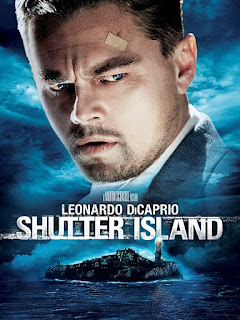
Movie Research: Shutter Island

Image
Hello, my name is Jose Retana. What conventions of this genre did I see in this movie? Characteristic of films and the psychological thriller genre, establishing shots were common in this film. I also took note of conventions like jump cuts whenever there were flashbacks, eye-line matches, and pan. Non-diegetic sound is used a lot in this film. Most characteristic of the psychological thriller genre was the use of POV shots and zoom. The use of sets to create the sense as well.  What conventions did I like? I enjoyed the use POV shots. It's a technique that I will consider using especially in my genre. Zoom is another one I liked, it makes such an intensifying suspense. Jump cuts is something I'll also use, only somewhat common in psychological thrillers but still good. I'm not too worried about diegetic/non-diegetic sound in my project, but I liked the use of it through the film.  What conventions did not appeal to me? The least that appeals to me is pan. Out of the conven...

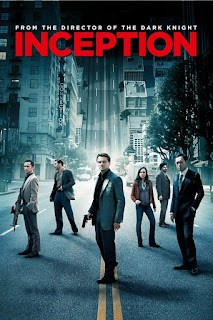
Movie Research: Inception

Image
 Hello, my name is Jose Retana. What conventions of this genre did I see in this movie? This movie has a lot of medium camera conventions like medium shots and medium close ups, helping us see the background while also keeping in touch with the characters emotions. I as well took note of the mix between diegetic and non-diegetic sound, mostly notably in the intro of the movie. Also, the use of sound bridges add layers and smooth transitions. Probably the highlight convention throughout the entirety of this film is cross-cutting, used in the intro and the final scene. Sets and lighting play a major part in this film, which is common for psychological thrillers.  What conventions did I like? I especially liked the use of sets and lighting in this movie, which is common is psychological thrillers. It created a sense of tone and vibe to it. The cross-cutting I liked as well. It made a special sense of action that is prevalent in this convention. It isn't as common in psychological...

Genre DECISION

Image
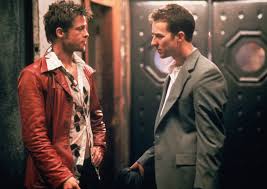
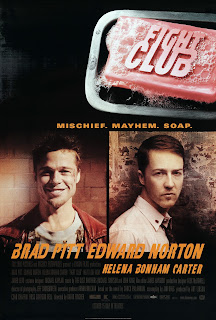
(Image from Fight Club)  Hello bloggers, my name is Jose Retana and I am finally revealing the genre I chose for my opening sequence.  I choose the Psychological Thriller genre.  It was close between this and the drama genre, but I enjoy how this genre incorporates plot twists, while also having aspects of the drama genre. It leaves a lasting impact while being more rich in story. It's unique and it has a good camera angle/mis-en-scene selection. 

Genre Research: Drama

Image
  Hello, my name is Jose Retana. Today, I will drive you step by step on how I chose my genre. Of course, if you want to see my decision, skip to the decision blog. In this blog, I will drive you through one of my choices/candidates: Drama. The drama genre delves into the emotion in humans. It explores a characters interpersonal situations and internal conflicts. It mainly aims to get an emotional response from the viewer.  Common camera, angle, movement, and shot techniques used:  Eye level shot: Allows for realism Low angle shot: Conveys sense of power Zoom: Intensifies the moment Establishing shot Medium shot: Keeps in touch with the character emotions while showing surroundings Medium close-up: Emphasizes emotion  Extreme close up: Conveys very strong emotion Common costume, lighting, acting, makeup, prop, and set techniques used:  Acting: Most important, actors have to be able to show emotion convincingly Lighting: Can affect how a person's emotions are sho...

Genre Research: Science Fiction

Image
  Hello, my name is Jose Retana. Today, I will drive you step by step on how I chose my genre. Of course, if you want to see my decision, skip to the decision blog. In this blog, I will drive you through one of my choices/candidates: Science Fiction, also known as "Sci-fi." Science fiction mixes concepts of science that have, but usually have not been explored on. It incorporates a lot of future technology, reality, and space.  Common camera, angle, movement, and shot techniques used:  This genre mostly relies on basic angle techniques Establishing shot: Used to show the setting, typically a futuristic world Long shot: Includes the character body to setting proportion Tracking shot Wide shot: Provides an overview of setting Take  Shot POV shot: Mostly used to involve you in the unique perspective of the character Two shot, three shot Common costume, lighting, acting, makeup, prop, and set techniques used:  Costume: The second most commonly used, usually to make ...

Genre Research: Psychological Thriller

Image
 Hello, my name is Jose Retana. Today, I will drive you step by step on how I decided on my genre. Of course, if you want to see my decision, skip to the decision blog. In this blog, I will drive you through one of my choices/candidates: Psychological thriller. Psychological thriller mixes the thriller and psychological aspects of film. It is neither a psychological genre or thriller, it relies on plot twists, suspense, tension. It digs deeper than a normal plot.  Common camera, angle, movement, and shot techniques used:  Dutch Shot: A tilted angle on the camera angled on the face, this typically comes before a plot twist, which is characteristic of this genre. Zoom: It creates a sense of intensity God's eye view: Signifies detachment, which usually comes after a plot twist Take Shot Medium Shot Common costume, lighting, acting, makeup, prop, and set techniques used:  Costume: Commonly in outfits with color schemes that make the viewer feel a certain way Lighting: Us...